Top 10 Storage Container Options for Efficient Global Shipping?
In the world of logistics, effective shipping relies heavily on the choice of Storage Containers. Selecting the right storage container can significantly impact efficiency and cost-effectiveness in global shipping. An array of options exists, each tailored to specific needs and situations. However, navigating through these choices can be challenging.
Key factors include size, material, and design. Different items require different levels of protection and space. For instance, perishables might need insulated containers, while heavy machinery requires robust structures. Even minor miscalculations can lead to delays and losses. This underscores the importance of making informed decisions when selecting storage containers.
Ultimately, the right storage container not only protects goods but also ensures they reach their destination on time. A systematic approach helps in identifying the best options. Yet, the complexity of global shipping means there is always room for improvement. In our exploration, we will delve into the top 10 storage container options available today, focusing on their specific uses and advantages in the logistics landscape.
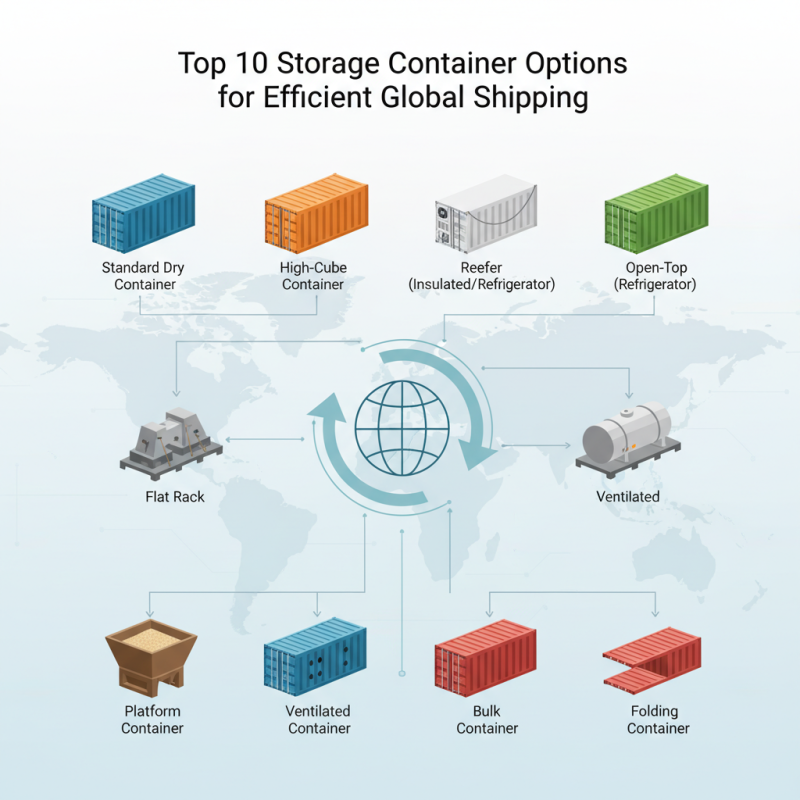
Top Storage Container Types for Global Shipping Efficiency
When considering storage containers for global shipping, efficiency is paramount. There are various types of containers tailored to specific needs. For instance, the standard dry container remains the backbone of international shipping. According to a report by the International Maritime Organization, nearly 90% of global trade is facilitated by container shipping. This illustrates the reliance on such containers for transporting goods globally.
Refrigerated containers, or reefers, are essential for transporting perishable goods. They maintain temperatures and can reduce spoilage. JOC Group indicates that reefer capacity in the global fleet has increased by over 30% in the past five years. However, while they are crucial, the costs associated with maintenance and energy consumption often spark debate among logistics managers.
Another notable option is the flat rack container. These are ideal for oversized cargo that doesn’t fit in standard containers. A recent study published by the Journal of Shipping and Trade highlighted the growing trend of utilizing flat racks, as they reduce the need for additional shipping fees. However, the risk of damage during transit is higher, requiring careful handling and packaging. This complexity underlines the need for expertise in choosing the right container type for specific logistic needs.
Factors to Consider When Choosing Shipping Containers
When selecting shipping containers for global transportation, various factors demand careful consideration. The dimensions and weight capacity of a container are paramount. Standard containers come in 20-foot and 40-foot sizes, with a maximum payload ranging from 28,000 to 30,000 kilograms. Understanding these specifications helps companies choose the right container for their products.
Another crucial aspect is the container's condition. The choice between new and used containers can impact cost. A report by the International Maritime Organization (IMO) indicates that new containers can be 30-40% more expensive than used ones. However, a new container often ensures better durability and lower maintenance costs. Companies should weigh cost against potential risks, like damage or loss of goods.
Finally, intended cargo type influences the choice of container. Refrigerated containers are necessary for perishable goods, while specialized containers suit fragile items. The 2022 Logistics Management report highlighted that 20% of shipping delays arise from improper container choice. Therefore, ensuring the right fit is essential for efficient shipping. Cost-saving should not compromise quality or safety in the logistics chain.
Innovative Designs in Shipping Container Technology
Innovative designs are transforming the shipping container industry. New materials enhance strength while reducing weight. This allows for more efficient transportation, cutting costs and fuel consumption. Advanced insulation materials maintain temperature, a key feature for perishable goods. More durable containers also minimize damage, ensuring that cargo arrives safely.
Modular designs are gaining traction. They optimize storage space and allow for easy stacking. These containers can be rearranged for different cargo types. Some innovations include solar panels to power onboard sensors. This increases tracking accuracy and streamlines inventory management. However, these advancements are not foolproof. Implementing new technologies can be costly and requires training for staff.
Environmental impact remains a significant concern. Efficient designs help reduce carbon footprints, but production still poses challenges. Recycling old containers properly could minimize waste and resource use. The industry must continue to innovate while addressing these issues. Focusing on sustainability and efficiency is crucial for the future of global shipping.
Top 10 Storage Container Options for Efficient Global Shipping
Environmental Impact of Different Shipping Containers
The environmental impact of shipping containers is significant. Different materials and designs contribute uniquely to carbon footprints. For instance, steel containers are durable but require plenty of resources to produce. Their long lifespan is beneficial, yet the initial environmental cost is high.
Wooden containers can be a sustainable option. They are renewable and biodegradable. However, their maintenance needs can lead to chemical treatments that harm the environment.
Meanwhile, innovative designs, such as collapsible containers, offer space efficiency. Less space means reduced transportation costs and lower emissions.
Finding the right balance is complex. Each type of container has pros and cons. The shipping industry must continually adapt to emerging challenges. Prioritizing sustainability could lead to better practices. It's crucial to reflect on choices to minimize our environmental footprint.
Cost Analysis of Various Storage Container Options
When considering storage container options for global shipping, cost is a major factor. The price of containers varies widely based on size, material, and condition. New containers naturally cost more than used ones. Steel containers are durable but may have higher upfront costs. In contrast, fabric structures are lightweight and cheaper, yet they offer less protection.
Transporting goods in containers involves hidden costs too. You need to factor in shipping fees, port charges, and customs duties. These expenses can inflate your budget significantly. It's wise to evaluate whether a long-term investment in high-quality containers pays off. Cheaper options might lead to more frequent replacements and higher long-term costs.
Tips: Always compare several container types for cost efficiency. Assess both short-term and long-term needs. Remember that investing in quality can shield you from unexpected expenses down the line. Additionally, consider the geographical location of your shipping routes, as it may influence the type of container you choose. Choosing wisely today can save you money tomorrow.