Top 10 Benefits of Indoor WPC Wall Panels for Your Home?
When it comes to modern home design, the significance of the Indoor wpc wall panel cannot be overlooked. These panels not only elevate the aesthetic appeal of your interiors but also enhance functionality in numerous ways. The appeal of indoor WPC wall panels lies in their versatility and durability. They are crafted from wood plastic composite materials, offering a sustainable and stylish choice for homeowners.
Indoor WPC wall panels are moisture-resistant and perfect for various environments. Their ability to mimic natural wood while being low-maintenance is impressive. Furthermore, they provide excellent insulation, which can help reduce energy costs. This innovative solution is increasingly popular in homes looking for eco-friendly alternatives.
However, it’s essential to consider the initial investment involved in installing these panels. While they offer numerous long-term benefits, the upfront cost can be a concern for some. Homeowners should carefully assess their financial plans and long-term goals. Ultimately, understanding both the advantages and potential downsides can lead to a balanced decision regarding indoor WPC wall panels.
What Are Indoor WPC Wall Panels and Their Composition?
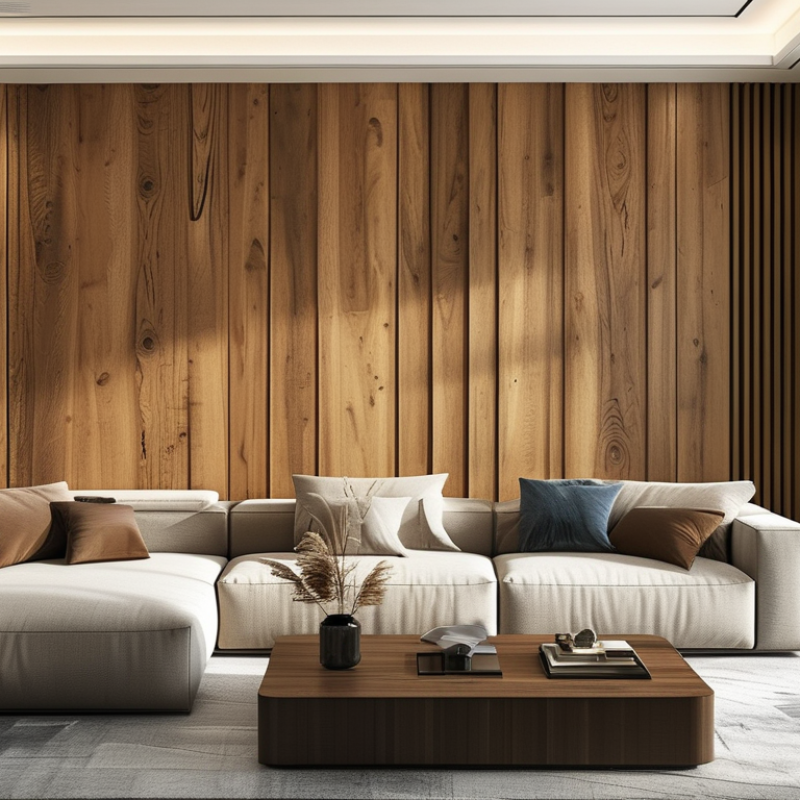
Indoor WPC wall panels are innovative materials ideal for modern homes. They are made of wood polymer composites, which blend wood fibers with thermoplastics. This combination creates a durable, lightweight solution for interior walls. WPC panels resist moisture, mold, and insects, making them suitable for various rooms. Their versatility allows for easy installation, even for DIY enthusiasts. The panels come in various textures and colors, offering creative design options.
When selecting WPC wall panels, consider your interior style. Think about the color scheme and texture you desire. Some panels mimic natural wood grain, while others have sleek finishes. The choice can dramatically affect your room's ambiance. Remember that proper installation is crucial. Poorly installed panels can lead to gaps and uneven surfaces.
Tip: Always measure your wall space accurately before purchasing. This step can prevent costly mistakes. Additionally, check warranty information for quality assurance. Even minor details, like trim choices, matter in achieving a polished look. Design decisions should reflect both personal taste and practicality.
Aesthetic Appeal: Enhancing Interior Design with WPC Panels
Indoor WPC (Wood Plastic Composite) wall panels offer significant aesthetic appeal for modern homes. These panels come in various designs and textures, allowing homeowners to create unique spaces. According to a recent study from the National Association of Home Builders, nearly 80% of homebuyers prioritize interior aesthetics when selecting their homes. WPC panels can mimic natural wood, stone, and even intricate patterns, making them an excellent choice for achieving a contemporary look.
The color variety is another noteworthy aspect. WPC panels are available in various finishes, from neutral tones to vibrant colors. This flexibility enables homeowners to match their decor with ease. A report from the Decorative Surfaces Association highlights that 65% of designers recommend textured surfaces to enhance visual interest in interiors. However, not all WPC panels are created equal. Some may not be as durable or easy to install, leading to mixed results in overall satisfaction.
In addition to aesthetics, WPC panels are also low-maintenance. They resist fading and staining, which is crucial for keeping interiors fresh. Yet, it's essential to consider quality. Some cheaper options might not deliver the expected lifespan. Investing in higher-quality materials often leads to better long-term results. It's a balance between initial cost and enduring beauty.
Durability and Maintenance: Why WPC is a Smart Choice
Indoor WPC (Wood Plastic Composite) wall panels offer exceptional durability for modern homes. They resist moisture, making them perfect for areas prone to humidity. Unlike traditional wood, WPC doesn't warp or rot over time. This durability significantly reduces the need for frequent replacements. Many homeowners find peace of mind knowing their walls can withstand wear.
Maintenance is another critical aspect. WPC panels require minimal upkeep, typically needing just a quick wipe-down with a damp cloth. This ease of cleaning saves both time and money. Occasional checks for dirt buildup are wise, yet the panels' resilience generally keeps maintenance simple. Mistakes may happen—improper cleaning products could damage the finish. Awareness of proper care ensures longevity and retains aesthetic appeal.
The variety of designs adds to their flexibility in home decor. WPC walls can mimic natural wood patterns or offer contemporary styles. But choosing the right texture and color can be challenging. Personal taste often clashes with practicality. It’s essential to balance style with functional needs. Many homeowners do not realize the potential pitfalls until later. Prior planning can lead to satisfying results in the long run.
Insulation Properties: Energy Efficiency with Indoor WPC Wall Panels
Indoor WPC (Wood Plastic Composite) wall panels are gaining popularity for their insulation properties. These panels combine wood fibers and plastic, offering durability and energy efficiency. Reports from the Building Research Establishment indicate that homes with such wall panels can reduce energy costs by up to 25%. This is significant in today’s economy.
The insulation properties of WPC help maintain a stable indoor temperature. This is crucial in both winter and summer. A study by the U.S. Department of Energy highlights that effective insulation can lower heating and cooling needs by nearly 15%. With indoor WPC wall panels, homeowners can enjoy warmth without excessive energy bills.
However, it’s important to choose quality materials to maximize benefits. Not all WPC panels are created equal. Some may not provide the expected insulation levels or durability. Future research may help clarify these discrepancies, but currently, informed choices are vital for optimal results.
Eco-Friendliness: Sustainable Benefits of Using WPC Materials
Indoor WPC wall panels offer remarkable eco-friendliness. These panels are made from wood-plastic composites, which utilize recycled materials. This significantly reduces waste and promotes sustainability in home construction. When you choose WPC, you help decrease the demand for new timber, protecting forests.
Moreover, WPC materials are non-toxic and safe for indoor use. They do not release harmful chemicals, ensuring better air quality in your home. Unlike traditional materials, they also resist mold and pests without harmful treatments. The durability of WPC leads to less frequent replacements, which further minimizes environmental impact over time.
WPC wall panels are also aesthetically pleasing. They mimic the look of natural wood without the environmental cost. However, it's essential to consider the manufacturing process of these panels. Not all WPC products are created equal. Some may still contain harmful additives. Therefore, it's crucial to research and choose high-quality options that align with eco-friendly values.