Essential Tips for Choosing the Best Attic Shuttle Solution?
Choosing the right Attic Shuttle solution is crucial for optimizing warehouse space. These systems can significantly enhance efficiency in inventory management. However, not all Attic Shuttle solutions are created equal. Some may promise efficiency but lack reliability.
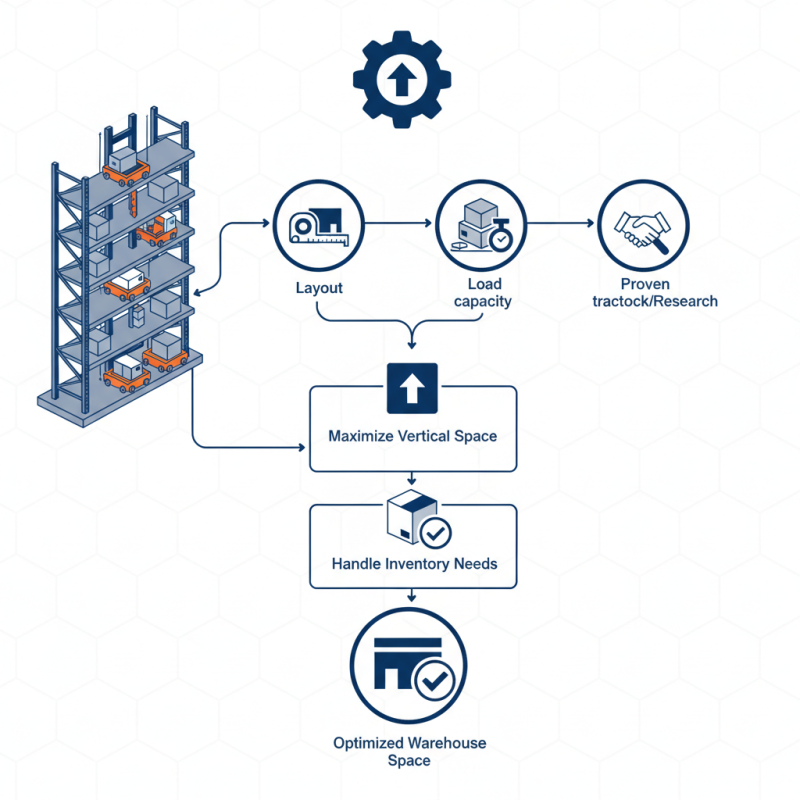
When evaluating options, consider the layout of your storage area. Look for designs that maximize vertical space and allow for easy access. It's also important to assess the load capacity. A system that cannot handle your inventory needs can lead to operational delays.
Furthermore, seek out providers with a proven track record. Reviews and expert recommendations can guide your decision-making process. Remember, investing time in research will pay off in the long run. The perfect Attic Shuttle solution is out there, but it may take some effort to find it.
Understanding Attic Shuttle Systems: An Overview
Attic shuttle systems are innovative solutions for space management. They allow for efficient storage and retrieval of items in your attic. These systems make use of vertical space, enabling you to maximize storage potential. A well-designed attic shuttle can save you time and improve organization.
When considering an attic shuttle, think about the weight capacity and size. Not all shuttles are created equal. Some may not suit your specific needs. Assess your storage requirements carefully. An overly complex system may not be necessary. Sometimes, simpler solutions can be more effective.
Ease of use is another critical factor. How intuitive is the control system? Will everyone in the household be able to operate it comfortably? These questions are essential. Performance can vary between models. Testing a few options can help you find the right fit. A system that looks impressive might not function well in practice. Balancing aesthetics with usability is key to a successful choice.
Key Factors to Consider When Selecting an Attic Shuttle Solution
When selecting an attic shuttle solution, several key factors come into play. First, consider the weight capacity. Some systems are designed to handle heavy loads, while others are not. Misjudging this can lead to equipment failure. Next, evaluate the size of the shuttle. It should fit well in your attic space without obstructing movement. If it’s too large, it can create hazards.
Another critical factor is the ease of use. A complicated system can waste time and frustrate workers. Look for solutions that offer user-friendly controls. Additionally, think about maintenance. Systems requiring frequent repairs can hurt productivity. A reliable option minimizes downtime, which is crucial for efficiency.
Safety features are equally important. Systems should include protective measures against overloading or malfunctioning. Look for options with automated stops or alarms. While it’s tempting to choose the cheapest option, quality should never be compromised. Investing in robust solutions can save money in the long run. Keep these aspects in mind to make an informed choice that fits your needs.
Evaluating Capacity and Efficiency of Attic Shuttle Options
When evaluating attic shuttle solutions, capacity should be a primary concern. Industrial data suggests that optimal shuttle systems can handle payloads ranging from 1,500 to 3,000 pounds. This broad range allows flexibility for various operations, such as warehouses or production facilities. However, one must also consider the physical constraints of the attic space. For instance, low ceilings can limit the effective use of these shuttles.
Efficiency is equally crucial. Studies indicate that warehouses experience a 30% reduction in picking times when utilizing specialized shuttles. Yet, not all systems are created equal. Some may claim high efficiency but can lead to bottlenecks in operations. A careful analysis of throughput rates and average load times is essential. Remember, a system's advertised efficiency may not align with real-world usage.
Additionally, frequent maintenance needs should not be overlooked. Lack of proper upkeep can reduce both capacity and efficiency over time. Data shows that warehouses with well-maintained systems can achieve up to 98% uptime. In contrast, neglect can bring this down significantly. Balancing capacity and efficiency with reliable upkeep is critical for long-term success.
Material and Durability: Choosing the Right Attic Shuttle Build
When choosing an attic shuttle solution, material and durability are critical factors. The construction of the shuttle affects its lifespan and performance. Many options exist, from lightweight plastic to robust metal builds. Plastic may be cheaper but often lacks durability. Metal constructions, on the other hand, can withstand harsh environments but might be heavier and more expensive. Analyzing the environment where the shuttle will reside is essential for making a wise choice.
Consider how much weight your shuttle needs to bear. Look for materials that offer strength without excessive weight. Test how the materials stand against moisture, heat, and other elements. This assessment helps ensure long-lasting performance. While lightweight options might attract you, they may not endure extreme conditions. Reflect on your specific needs and context to make the best selection.
Choosing the right material requires careful contemplation. Sometimes, the most appealing option isn't the best in the long run. Ask yourself, "Will this handle the wear and tear of regular use?" Always prioritize durability as you weigh your options. If possible, seek advice from professionals or those with firsthand experience. Their insights can enhance your decision-making process and help you avoid common pitfalls.
Cost vs. Value: Budgeting for Your Attic Shuttle Investment
When considering an attic shuttle solution, balancing cost and value is crucial. The right choice can save you time and enhance your storage efficiency. According to industry reports, investing in a quality attic shuttle can improve productivity by up to 25%. However, this comes at a cost that must align with your budget.
Budgeting for an attic shuttle involves more than just the initial purchase price. Maintenance and operational costs also play a significant role. Research indicates that average annual maintenance for attic solutions can range between $500 to $1,500. This highlights the importance of evaluating long-term expenses versus upfront costs.
Investments vary widely, ranging from economical models to high-end options. A cheaper solution might seem attractive upfront. However, it may lack the durability and efficiency needed for daily operations. Reflecting on these aspects ensures that your choice meets both immediate and future needs effectively.