How to Choose the Best Office Visitor Chair?
Choosing the best Office Visitor Chair is not simply a matter of matching colors or filling an empty reception area. A visitor may sit for five minutes or wait for nearly an hour. During that time, the chair communicates something about your company’s care, standards, and attention to detail.
Workplace psychologist Dr. Craig Knight has emphasized, “The key is giving people control over their environment.” His principle applies to visitor seating, even when guests cannot choose the chair itself. A supportive seat, suitable height, stable frame, and breathable fabric can reduce discomfort and create a calmer first impression. Armrests may help older visitors stand safely, while a narrower design can protect valuable floor space near reception desks. Small details matter.
Comfort comes first.
My own early assumption was that a heavier chair always felt more professional. That was only partly true. Weight can suggest stability, but it can also make cleaning and rearranging difficult. A beautiful chair may still have hard edges, a shallow seat, or fabric that shows every mark. These weaknesses are easy to miss in product photos.
This guide examines practical factors, including ergonomics, dimensions, materials, durability, maintenance, and accessibility. It also considers how the chair fits your workplace atmosphere. A legal office may prefer structured upholstery, while a creative studio might choose softer shapes and brighter colors. The right Office Visitor Chair should welcome guests without dominating the room. It should feel dependable, but not cold; refined, but not fragile. And sometimes, the best choice begins by questioning what looked “professional” in the first place.
What Is an Office Visitor Chair?
How to Choose the Best Office Visitor Chair?
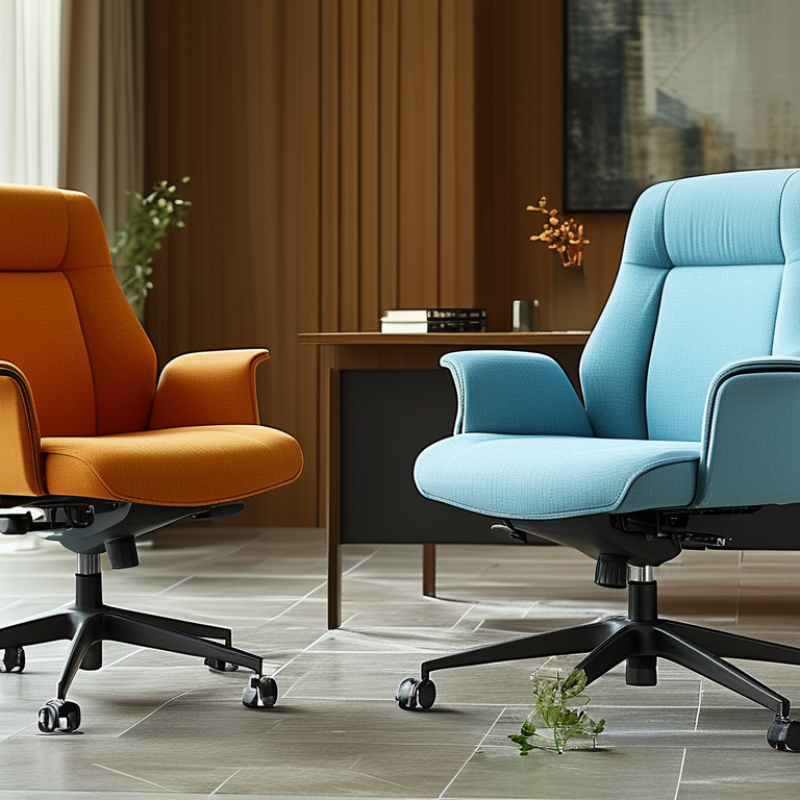
An office visitor chair is a seat designed for guests, clients, and short meetings. It usually sits in reception areas, consultation rooms, or beside a manager’s desk. Unlike a task chair, it does not need complex adjustments. Its main purpose is simple: provide stable, comfortable support while visitors wait or talk.
During office furniture checks, I look at the chair’s frame, seat height, and back support first. A visitor should sit down without dropping too low. The backrest should support an upright posture without feeling rigid. Rounded edges help prevent pressure on the legs. A wipeable surface is useful near coffee tables, especially when drinks are served. A chair may look attractive, yet feel uncomfortable after ten minutes. That detail is easy to miss.
Tips: Place one chair in the intended space before ordering several. Sit in it for fifteen minutes. Check whether feet rest flat and knees stay comfortable. Test it with different users, including taller guests. Light chairs are easier to move, but very light frames may feel unstable. I once preferred a slim design that saved space, but its narrow seat felt restrictive. The better choice was less stylish and more practical. Also inspect joints, floor protectors, and cleaning instructions. Reliable construction matters more than impressive appearance.
How to Assess Comfort, Ergonomics, and Support
A visitor chair should feel welcoming within the first minute. During office trials, ask someone to sit for at least fifteen minutes. Notice pressure beneath the thighs, heat across the back, and whether feet rest flat. Comfort is not softness alone. A chair that sinks deeply may feel pleasant briefly, then make standing difficult.
Ergonomic support begins with a stable seat and a backrest that follows the spine. Look for a seat depth that leaves two or three fingers behind the knees. The lumbar area should be supported without pushing the visitor forward. Armrests can help some users, but fixed arms may restrict larger bodies. Test the chair with different heights and clothing, not only with a quick showroom sit. That test is imperfect, yet it reveals more than appearance.
Check whether the frame stays quiet when the user shifts position. Mild movement is normal; sharp wobbling is not. Materials should resist pressure at the front edge and remain easy to clean between appointments. Ask how the chair performed after months of daily use, and request care guidance from reliable product documentation. I once overlooked seat height because the upholstery looked refined. Short visits exposed the mistake: shorter guests sat with dangling feet. Adjustable options cost more, but inclusive support may matter more than a polished first impression.
How to Match Chair Materials, Style, and Office Layout
Choosing an office visitor chair starts with the room, not the catalogue.
A 2024 State of the Global Workplace report recorded only 23% global employee engagement. Visitors may not stay long, but comfort still shapes trust. Match the chair to the meeting’s purpose.
For reception areas, use stain-resistant fabric or easy-clean polyurethane. Fabric feels warmer, while smooth surfaces support faster cleaning between visitors. A 2023 review in Applied Ergonomics linked adjustable seating with better posture support, although visitor chairs rarely need complex controls. Choose a supportive back, a seat height near 430–480 millimetres, and enough depth for different body sizes. Do not ignore armrests. They can block close table arrangements.
Style should echo the office without becoming decorative noise.
Slim, stackable chairs suit flexible rooms. Upholstered chairs feel more welcoming in executive spaces. Leave about 900 millimetres behind each chair for comfortable movement. A narrow waiting area may need armless models.
I have made this mistake myself. Attractive chairs can make circulation awkward. Test the layout with a person carrying a laptop or coat. The result may expose problems that a floor plan hides.
A visitor chair should also tolerate repeated contact points. Check seam strength, frame stability, and replacement-part access. Industry furniture testing standards provide useful benchmarks, but passing a test does not guarantee comfort. Real users remain the better evidence.
How to Compare Safety, Durability, Price, and Maintenance
How to Choose the Best Office Visitor Chair?
Choosing an office visitor chair requires more than matching a reception desk. Safety should be visible in the details. Look for a stable four-leg frame, non-slip feet, smooth edges, and a tested weight capacity. Armrests should not trap clothing or block easy movement. Ask the supplier for test records and clear care instructions. Vague claims deserve caution.
Durability depends on construction, not appearance alone. Check welded joints, reinforced seat supports, and screws that can be tightened. A fabric cover should resist abrasion and allow simple spot cleaning. Vinyl may clean faster, but it can feel hot during long waits. Price should include delivery, replacement parts, cleaning labor, and expected service life. A cheap chair may become expensive after repeated repairs. I once focused too heavily on the purchase price. That comparison missed comfort and maintenance time.
Tips: Test several chairs for ten minutes. Notice wobbling, pressure points, and noisy movement. Wipe a sample surface with a mild cleaner. Confirm the material does not stain easily. Keep a simple inspection record for loose feet, damaged covers, and unstable frames. Even a well-made chair needs attention.