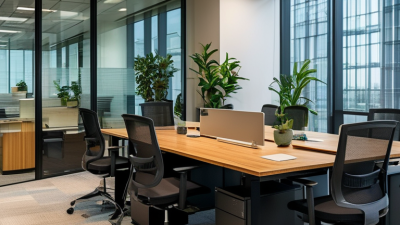
How to Choose the Best Executive Office Desk?
Choosing the best executive office desk is no longer about polished wood alone. The decision now involves ergonomics, technology, durability, and the changing rhythm of office work. Grand View Research valued the global office furniture market at approximately $54.24 billion in 2023. It also forecasts continued growth through 2030. That expansion reflects demand for better work environments, not merely larger desks.
An executive office desk should support focused work without creating physical strain. Alan Hedge, an ergonomics researcher and professor emeritus at Cornell University, stated, “The best posture is the next posture.” His point matters. A wide desktop means little if the chair, monitor, and keyboard remain poorly positioned. Look for adjustable monitor height, adequate legroom, rounded edges, and cable management that keeps the floor clear. Small details become visible after eight hours.
The Steelcase Global Report also shows that employees increasingly value flexibility and control over where work happens. That trend challenges the traditional image of one oversized executive desk. A powerful desk can still feel wrong. This is where personal experience matters. Measure the room, test the working height, and consider how visitors move around the office. Do not trust appearance alone.
Some market forecasts sound more precise than real buying decisions. They cannot predict your posture, workflow, or available space. A practical comparison should examine materials, warranty coverage, stability, storage access, and long-term maintenance. The best executive office desk is not necessarily the largest or most expensive. It is the one that quietly supports demanding work every day.
Sources: Grand View Research, Office Furniture Market Size Report, 2024; Steelcase, Global Report; Cornell University Ergonomics Web.
Define the Role and Requirements of an Executive Office Desk
How to Choose the Best Executive Office Desk?
Define the Role and Requirements of an Executive Office Desk
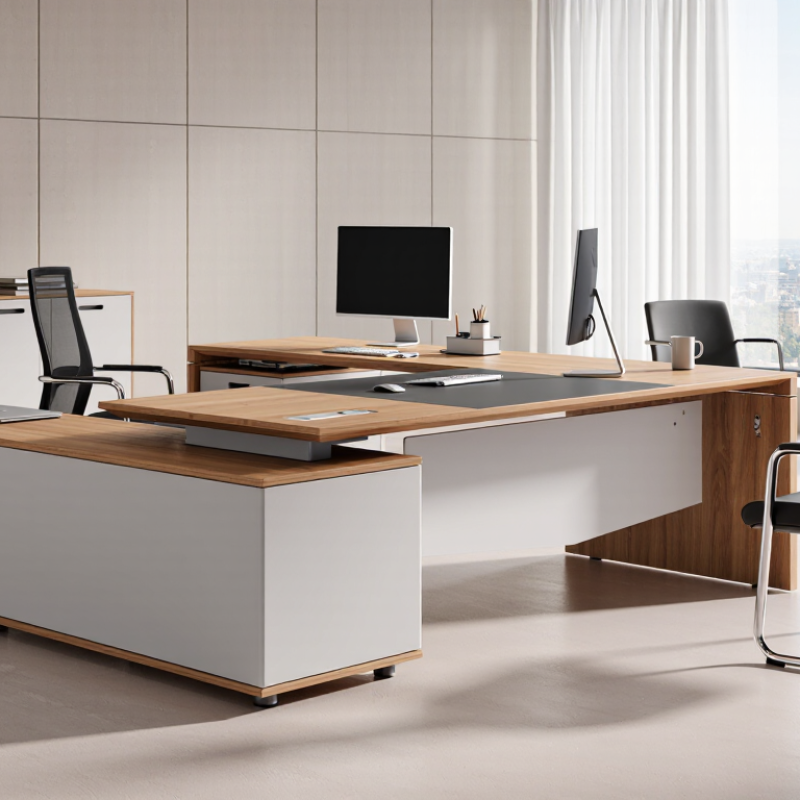
An executive office desk should reflect the work, not merely the title on the door. Define the role before comparing finishes, shapes, or prices. A director hosting clients needs a generous front surface, clear sightlines, and discreet document storage. A finance leader reviewing spreadsheets may need deeper dimensions, monitor support, and strong cable control. A private workspace has different demands.
Measure the room, chair movement, visitor seating, and door swing. A practical starting point is a desk height near 72–75 centimeters, adjusted to the user and chair. Leave enough knee clearance for relaxed posture, and keep frequently used tools within easy reach. Check the load rating before placing screens, files, or equipment on the top. Small details matter. Rounded edges, a stable frame, and a matte surface can reduce daily strain and distracting glare. These choices support comfort, but they do not replace an ergonomic assessment for persistent discomfort.
In real offices, cable routes often fail because designers hide them instead of planning access. Choose removable panels and reachable power points. Privacy also deserves attention. A modesty panel may protect conversations, while excessive enclosure can make collaboration feel cold. I once preferred a dramatic oversized desk, then noticed it narrowed the walking path and delayed meetings. That mistake changed my checklist: test the desk with real files, a laptop, and two visitors. Do not rely on a showroom impression.
Assess Desk Size, Layout, and Available Workspace
How to Choose the Best Executive Office Desk?
Assess Desk Size, Layout, and Available Workspace
A suitable executive desk should fit your daily work, not merely fill the room. Measure the office before comparing designs. Record wall lengths, door swings, windows, and heating vents. Leave at least 36 inches behind the chair for comfortable movement. More clearance helps when visitors need to sit nearby.
For most computer-based work, a desk depth of 30 to 36 inches supports a monitor, keyboard, documents, and a writing area. A width of 60 inches may suit one screen and limited paperwork. Choose 72 inches or more when you review contracts, use two monitors, or meet colleagues at the desk. I once selected a larger desk for a small office, and the walking path became awkward. The surface looked impressive. The layout did not work.
Think about the room’s working zones. Keep the main screen centered, with natural light coming from the side. This reduces reflections and protects a clear view of printed pages. Place frequently used storage within easy reach, but avoid blocking legroom. Check the underside before buying. Support panels, drawers, and modesty boards can restrict your knees. A cable opening near the monitor also prevents wires from crossing the work surface. If the available workspace is tight, a compact desk with mobile storage may perform better than a wide executive model. Measure twice. Furniture mistakes are expensive.
How to Choose the Best Executive Office Desk?
Compare common executive desk sizes by usable desktop surface. A larger surface can support multiple monitors, documents, and meeting materials, but it also requires more available workspace and circulation room.
Measurements are based on standard rectangular desk dimensions. Surface area is calculated as width × depth ÷ 144 to convert square inches into square feet. Choose the largest option that fits the room while preserving comfortable movement around the desk.
Compare Materials, Construction Quality, and Long-Term Durability
Choosing an executive office desk starts with its material, not its appearance. Solid wood offers warmth, repairability, and a distinctive grain. Veneer over a stable core can reduce movement and weight. High-pressure laminate handles coffee rings and frequent cleaning better than many delicate finishes. Glass creates a lighter look, but fingerprints and edge damage demand attention. Ask for material specifications, not vague claims such as “premium quality.” Details matter.
Construction quality often reveals itself underneath the surface. Inspect the frame, drawer joints, cable openings, and leg connections. A desk should sit firmly when you press one corner. Drawers should glide evenly without scraping or drifting.
Metal fasteners need clean alignment, while glued joints should show no open gaps. I have seen attractive desks weaken because thin panels carried heavy equipment. That mistake is easy to miss in a showroom. Weight capacity, finish thickness, and moisture resistance deserve written confirmation.
Long-term durability depends on use, maintenance, and repair options. Check whether hinges, drawer slides, and leveling feet can be replaced. Confirm the finish tolerates your cleaning routine. Harsh chemicals may dull wood and damage protective layers. I once valued a flawless surface too highly and overlooked an unstable cable tray. Months later, daily movement became annoying. Test the desk in person when possible, and keep its specifications for future reference.
Evaluate Storage, Technology Features, and Workplace Comfort
How to Choose the Best Executive Office Desk?
A strong executive desk should support decisions, not simply fill a large room. Measure the workspace before selecting its shape and dimensions. Leave clear walking space behind the chair. Storage deserves close attention. Drawers should hold documents, stationery, and personal devices without becoming crowded. Lockable compartments may protect sensitive papers, while open shelves keep frequently used items visible. Adjustable dividers are useful because storage needs often change.
Technology features should remain practical rather than decorative. Look for built-in cable management, accessible power outlets, and charging space for essential devices. A concealed cable channel can prevent tangled wires near your feet. Check whether ports are easy to reach while seated. Some integrated systems become outdated, so replaceable components may offer better long-term value. Technology should serve the workflow.
Workplace comfort depends on more than a padded chair. The desktop should provide enough depth for a monitor, keyboard, and writing area. Position the screen near eye level to reduce neck strain. Keep elbows close to a 90-degree angle when typing. Rounded edges can reduce pressure on forearms during long meetings.
I have found that impressive desks can still feel awkward after an hour.
No checklist is flawless. Sit at the desk before buying it, test the drawers, and notice where your hands naturally rest. Small discomforts often become daily distractions.
Match the Desk’s Style, Budget, and Maintenance Needs
Choosing the best executive office desk requires more than matching a room’s color palette. Style should support the work. A walnut-look finish feels formal, while light laminate can make a compact office appear larger. Matte surfaces also hide fingerprints better than high-gloss coatings. However, visual authority should not reduce comfort or useful workspace.
Budget the entire ownership cycle, not only the purchase price. Include delivery, cable management, assembly, replacement hardware, and cleaning time. The U.S. Environmental Protection Agency reports that indoor pollutant levels can be two to five times higher than outdoor levels. Therefore, choose low-maintenance surfaces that do not trap dust easily. Smooth edges and sealed panels matter. They reduce stains around coffee areas and simplify daily wiping. The Business and Institutional Furniture Manufacturers Association also emphasizes durability and performance testing for commercial furniture, which supports checking load ratings and construction details before purchase.
Maintenance needs are often underestimated. Ask who will clean the desk, how often, and with which approved products. Some finishes mark quickly, despite looking impressive in a showroom. That is a costly lesson. Gallup’s State of the Global Workplace 2024 report found only 23% of employees were engaged worldwide. A desk cannot solve engagement problems, but poor ergonomics can add frustration. Leave enough legroom, keep the monitor centered, and test the desk for one full working session before ordering several units. Even experienced buyers sometimes prioritize appearance too heavily.
How to Choose the Best Executive Office Desk? - Match the Desk’s Style, Budget, and Maintenance Needs
| Desk Type | Typical Style | Common Materials | Typical Price Range (USD) | Maintenance Needs | Best Suited For |
|---|---|---|---|---|---|
| Laminate Executive Desk | Contemporary, practical | Engineered wood with a laminate surface | $250–$900 | Wipe with a soft, damp cloth; avoid abrasive cleaners and standing water. | Buyers seeking a lower-cost desk that is easy to clean and suitable for everyday use. |
| Veneer Executive Desk | Traditional or transitional | Wood veneer over engineered wood or a composite core | $700–$2,500 | Dust regularly; use a suitable wood-care product and protect the surface from heat and spills. | Offices that want the appearance of wood at a moderate price. |
| Solid-Wood Executive Desk | Classic, substantial | Hardwood or softwood, with a protective finish | $1,500–$6,000+ | Dust with a soft cloth; clean spills promptly and follow the finish’s care instructions. | Buyers prioritizing natural materials, repairability, and long-term use. |
| Metal-and-Wood Desk | Industrial, modern | Powder-coated steel frame with wood, veneer, or laminate top | $500–$2,000 | Wipe the frame and top separately; check fasteners periodically and keep the surface dry. | Modern workspaces needing a sturdy frame and a distinctive appearance. |
| Height-Adjustable Executive Desk | Modern, ergonomic | Steel lifting frame with a laminate, veneer, or solid-wood top | $700–$3,000 | Keep the lifting mechanism clear of obstructions; inspect cables and follow the manufacturer’s cleaning guidance. | Executives who want to alternate between sitting and standing during the workday. |
| Glass-Top Executive Desk | Minimalist, contemporary | Tempered glass top with a metal or wood base | $400–$1,800 | Clean with a non-abrasive glass cleaner; use desk pads to reduce fingerprints and surface marks. | Design-focused rooms where a visually light appearance is preferred. |
| L-Shaped Executive Desk | Functional, expansive | Often laminate or veneer over engineered wood; some models use solid wood | $600–$3,500 | Clean each section according to its surface material; allow enough room to reach corners and cable areas. | People who need separate zones for computer work, paperwork, or meetings. |
Price ranges are approximate and vary by size, material quality, construction, and included storage. Before purchasing, measure the room and confirm the desk’s dimensions, assembly requirements, cable-management features, and warranty terms.
Related Posts
-
How to Choose Business Furniture for Your Office Needs?
-
Maximizing Value with Exceptional After Sale Services and Low Maintenance Costs in the Best Office Furniture Stores
-
Craftsmanship in China Redefining Excellence in Global Office Furniture Stores
-

Top Strategies for Choosing the Best Office Desk Furniture to Boost Productivity and Comfort
-

How to Navigate Import Export Certifications for the Best Office Desk Chair Market
-

How to Choose the Perfect Office Chair for Your Work Environment