How to Choose Executive Office Furniture for Your Workplace?
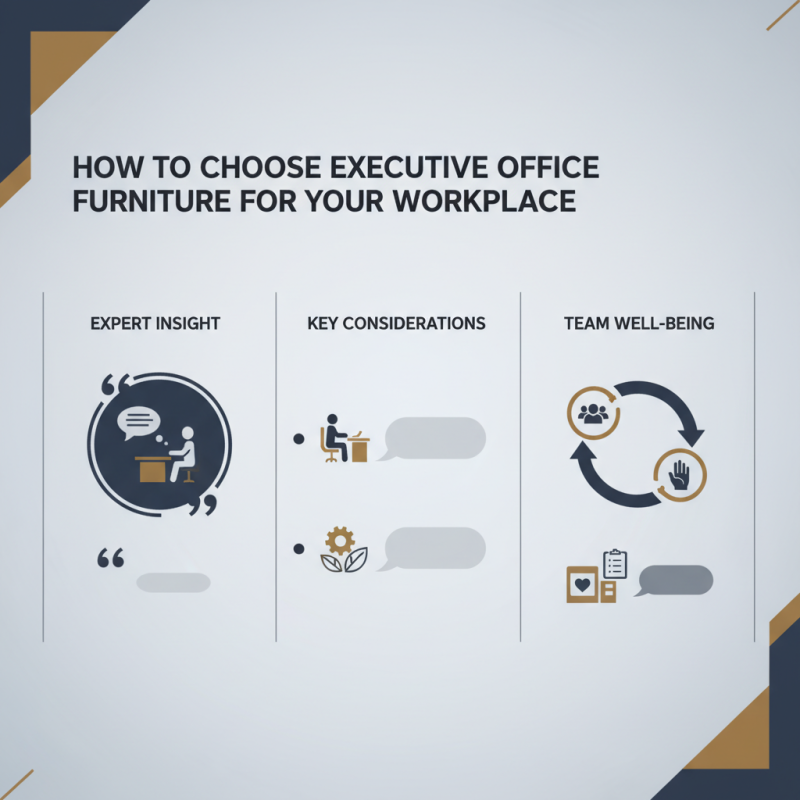
Choosing the right executive office furniture can significantly impact workplace productivity. Renowned expert in office design, Michael Green, states, "The right furniture sets the tone for a successful work environment." His perspective highlights the importance of careful selection.
When considering executive office furniture, think about ergonomics and aesthetics. The office should be not just functional, but also inviting. A well-chosen desk and ergonomic chair can promote focus and reduce discomfort during long hours. It's vital to blend style with practicality for an effective workspace.
However, the choices can be overwhelming. Sometimes we overlook the needs of our team. Are the selected pieces truly suited for everyone? Reflecting on our choices ensures that the executive office furniture serves its purpose, enhancing both performance and well-being in the workplace.
Understanding the Importance of Executive Office Furniture in Workplace Design
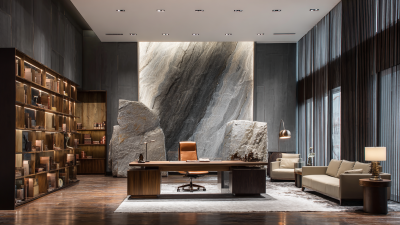
Choosing the right executive office furniture is crucial for workplace design. It affects productivity and sets the tone for the office. Stylish desks and comfortable chairs can enhance the work environment. The look of the furniture also reflects the company’s brand. A unique design can evoke creativity and inspire employees.
Quality matters too. Investing in durable materials can save costs in the long run. When furniture breaks or wears out, it can disrupt work. Ergonomics should not be overlooked. Uncomfortable seating can lead to health issues, affecting output. A well-designed workspace minimizes distractions and promotes focus.
However, not all designs suit every role. It's important to reflect on employee needs. Some may prefer open spaces, while others thrive in privacy. Finding a balance is essential. Listening to employee feedback can lead to better choices. Ultimately, the right furniture enhances the overall workplace atmosphere, fostering productivity and collaboration.
Executive Office Furniture Selection Criteria
This chart illustrates the importance ratings of various criteria to consider when selecting executive office furniture. Aesthetics and ergonomics are deemed most important, while cost is rated relatively lower in comparison to other factors.
Identifying Your Workplace Needs and Employee Preferences
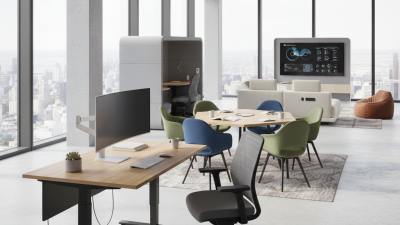
Creating a productive workplace starts with understanding employee needs and preferences. A recent report found that 63% of employees prefer flexible workspaces. This data suggests that choices in office furniture should align with these preferences. Ergonomic chairs and adjustable desks often rank high among employee wishes. These features promote comfort and can lead to increased productivity.
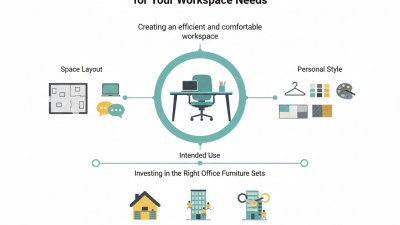
When selecting executive office furniture, consider the layout of your space. Open concepts allow for collaboration but can be noisy. Private offices ensure focus but may feel isolated. Tips: Survey employees about their preferences. This input can guide decisive choices.
Furthermore, consider the aesthetics of the furniture. The style can impact morale. A bland office can reduce creativity. Conversely, well-designed spaces inspire. Remember to balance functionality with visual appeal. Break out of traditional molds; dare to introduce eclectic designs. Engaging employees in the decision can foster a sense of ownership and satisfaction.
Evaluating Material and Quality for Executive Office Furniture
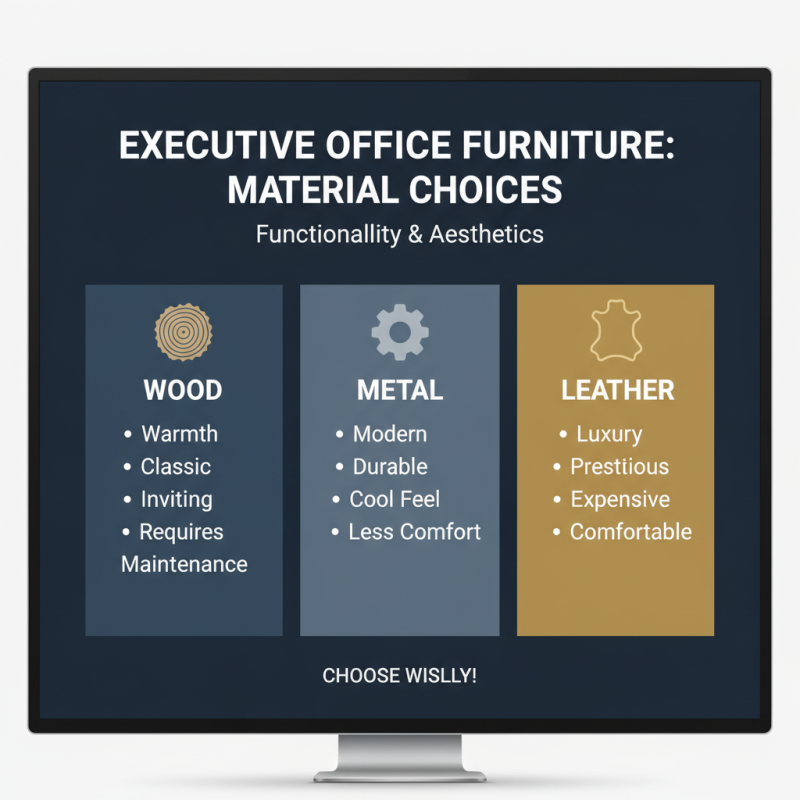
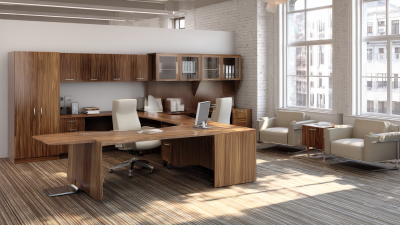
Choosing the right material for executive office furniture is crucial. Quality can impact both functionality and aesthetics. Wood, metal, and leather are popular choices. Wood offers warmth and a classic look. It can feel inviting but may require maintenance. Metal, while modern, can feel cold. It is durable but might not provide the comfort you seek. Leather exudes luxury but can be expensive.
When evaluating quality, consider craftsmanship. Examine the joints, seams, and finishes. Are they smooth and polished? A well-made piece should feel solid and stable. Look for warranty information; it often indicates quality. Take your time to assess comfort. Sit in chairs and adjust desks. The right fit can enhance productivity.
Sometimes, budget constraints make you compromise. You might pick a lesser quality for a better price. This could mean more frequent replacements down the line. Reflect on the long-term implications of your choices. Quality furniture is an investment that might save you money in the future. Don’t rush this decision; it shapes your workplace environment.
Exploring Ergonomics and Comfort in Executive Office Selections
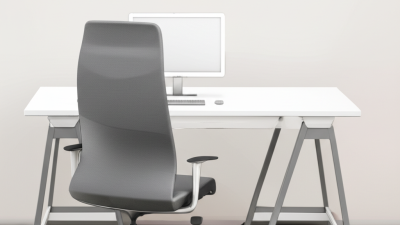
When selecting executive office furniture, ergonomics and comfort should be top priorities. A well-designed workspace enhances productivity. Comfortable chairs and desks promote better posture and reduce fatigue. Consider adjustable features to accommodate different body types. A chair that supports the lower back can change the entire day for an executive.
Tips for choosing the right chair include testing it first. Sit and feel the support it offers. Look for materials that breathe, as fabric affects comfort over long hours. Desks should have enough space to accommodate devices without clutter. An organized space contributes to a positive workflow.
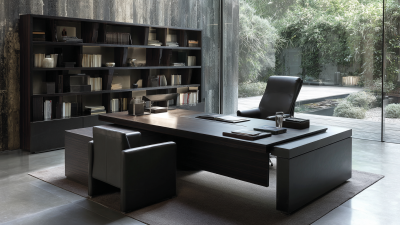
Color and style matter, too. They influence mood and perception. Dark colors can feel heavy; lighter tones often create a brighter atmosphere. It's crucial to reflect on how different designs affect you and your team. Aesthetics should not distract from functionality. Sometimes, the best choices come from testing various options until the perfect fit emerges.
Budgeting and Sourcing Considerations for Office Furniture Purchases
When budgeting for executive office furniture, it's crucial to balance quality and cost. Research shows that organizations typically allocate about 10-15% of their total office budget to furniture. However, this can fluctuate significantly. For example, a high-end executive desk may cost more but can offer durability and a better impression. Investing in ergonomic furniture can also enhance employee productivity, leading to potential long-term savings.
Here are some tips for effective budgeting:
First, assess your needs. List must-haves versus nice-to-haves. Aim for a balance that meets both functionality and aesthetics. Look for quality over quantity.
Second, consider pre-owned or refurbished options. These can deliver substantial savings without sacrificing style.
Finally, always obtain multiple quotes from different suppliers. This gives you a clearer picture of what your budget can cover.
It's easy to overlook the small details. For instance, customized pieces may appear appealing, but they often come with higher costs. Think carefully about the long-term implications of your choices.
An elegant chair may be tempting, yet if it leads to discomfort, it could affect performance.
Choosing office furniture is not just about looks; it's also about enhancing the workplace experience.