How to Choose the Best Stainless Steel Casting Suppliers?
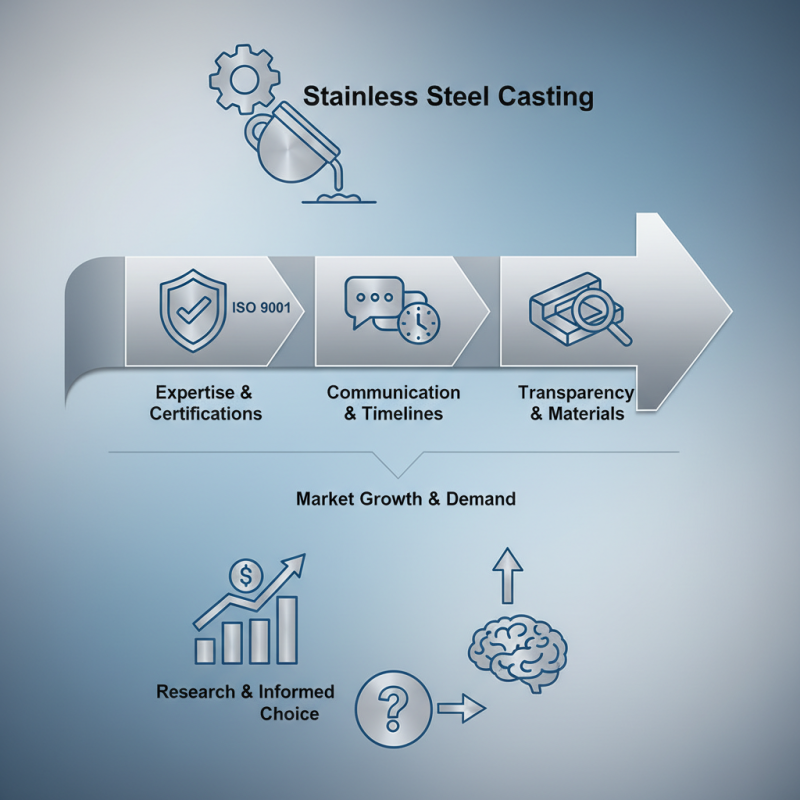
Choosing the right stainless steel casting supplier is crucial for achieving quality and efficiency. Stainless steel casting is a process that impacts various industries, from automotive to aerospace. In 2022, the global stainless steel casting market was valued at approximately $10 billion, with a projected growth rate of 6.5% from 2023 to 2030. These statistics highlight the increasing demand for reliable suppliers.
When assessing suppliers, expertise is key. Look for companies with extensive experience and a strong reputation in stainless steel casting. Quality certifications, such as ISO 9001, ensure that manufacturers adhere to rigorous standards. However, not all suppliers meet these criteria, which can lead to inconsistent results.
Additionally, communication plays a vital role. Suppliers should provide clear timelines and be responsive to inquiries. Transparency about materials and production processes is essential. Many buyers overlook these aspects, which can result in complications later. Therefore, conducting thorough research and asking the right questions is critical for making an informed choice.
Understanding Stainless Steel Casting and Its Applications
Stainless steel casting is a pivotal method in various industries, including automotive, aerospace, and medical. It involves pouring molten stainless steel into molds. This process yields complex shapes with high strength and corrosion resistance. These properties make stainless steel an ideal choice for demanding applications. Cast parts can endure extreme temperatures and harsh environments. This versatility is essential in today’s competitive market.
Many industries rely on stainless steel components. In the automotive sector, they are used in exhaust systems and structural parts. In aerospace, their lightweight yet strong features enhance performance. Medical devices also benefit from stainless steel's biocompatibility and ease of sterilization. However, the casting quality can greatly vary based on supplier expertise.
Choosing the right supplier is critical. A supplier's experience can influence the final product's quality. It's important to assess their production capabilities and quality control measures. Evaluating past projects and client feedback can provide insights. Industries need to balance cost and quality. Sometimes, the cheapest option may lead to disappointing results. Reflecting on these factors can drive better decision-making in supplier selection.
Key Factors in Evaluating Stainless Steel Casting Suppliers
Choosing the right stainless steel casting supplier is crucial for any manufacturing process. The first key factor is assessing their experience. Suppliers with a proven track record show they understand the complexities of stainless steel casting. Look for providers with several years in the industry. Don’t hesitate to ask for case studies or references to validate their expertise.
Next, evaluate the quality control processes in place. Reliable suppliers should have robust quality assurance protocols. Ask about their testing methodologies. How do they ensure the finished products meet industry standards? This transparency indicates their commitment to quality.
Tips: Always check certifications. Industry standards, such as ISO or ASTM, can provide an assurance of quality.
Another vital aspect is communication. A responsive supplier who actively engages in discussions can significantly impact your project. Notice how quickly they reply to inquiries. A slow response may indicate their overall service quality. Ensure they are accessible and willing to collaborate closely with your team.
Tip: Consider visiting their facility if possible. Observing their operations can provide clear insights into their efficiency and capabilities.
Assessing Supplier Capabilities and Manufacturing Processes
When selecting stainless steel casting suppliers, evaluating their capabilities is essential. Start by reviewing their manufacturing processes. A reliable supplier should employ advanced technologies, ensuring precision and efficiency in production. Look for suppliers with certifications that reflect their commitment to quality. These validations often indicate a proven track record.
Tips: Ask for samples of their products. This helps assess the finish and quality of their castings. If the samples meet your standards, it’s a promising sign.
Also, consider the supplier's sourcing of materials. Are they using high-grade stainless steel? Understanding the quality of raw materials can impact the final product significantly.
Assessing a supplier's capacity is equally important. Can they meet your volume requirements? Investigate their past projects and client feedback. This allows you to gauge reliability and performance. A solid reputation can often lead to successful partnerships.
Tips: Direct communication is crucial. Discuss project timelines and delivery expectations before making commitments. A supplier's willingness to communicate openly often reflects their professionalism.
Analyzing Quality Control Standards and Certifications
When selecting stainless steel casting suppliers, quality control is paramount. Industry reports indicate that over 70% of manufacturing issues stem from inadequate quality standards. This highlights the need for suppliers to adhere strictly to recognized certifications like ISO 9001, which ensures consistent quality management systems.
Quality control measures should also extend to materials used in the casting process. For instance, suppliers must demonstrate the use of alloy compositions that meet industry specifications, like ASTM and ASME. Inadequate checks can lead to costly defects. A study from the American Foundry Society suggests that even minor deviations in alloy composition can reduce performance by up to 20%.
Another aspect to consider is the testing protocols in place. Suppliers should not only conduct standard tests but also use advanced techniques like X-ray fluorescence and metallographic analysis. While many suppliers claim robust testing procedures, there’s always a risk of oversights. Prospective buyers should audit and verify these practices regularly to ensure reliability. This ensures a consistent quality and can help prevent future production problems.
Supplier Quality Control Standards Analysis
Building Long-term Relationships with Stainless Steel Suppliers
Building long-term relationships with stainless steel suppliers is crucial for businesses. Trust is fundamental. When suppliers understand your needs, they can deliver better quality products. Communication should be consistent. Frequent updates and feedback strengthen these bonds.
Consider visiting suppliers’ facilities. This allows you to see their processes firsthand. It also shows your commitment. Building rapport with key team members helps too. Knowing who manages production can ease concerns. Yet, be ready for challenges. Misunderstandings may arise. Address issues promptly to maintain trust.
Long-term partnerships also create opportunities for innovation. Suppliers can suggest improvements based on their expertise. Together, you can explore new designs or materials. However, don’t assume all suggestions will fit perfectly. It's important to critically evaluate new ideas. This collaborative approach can lead to valuable advancements.
How to Choose the Best Stainless Steel Casting Suppliers? - Building Long-term Relationships with Stainless Steel Suppliers
| Supplier Criteria | Importance Level (1-5) | Notes |
| Quality Certifications | 5 | Look for ISO and ASTM certifications to ensure standards. |
| Experience in Industry | 4 | Suppliers with extensive experience often have better reliability. |
| Production Capacity | 4 | Ensure they can meet your demand levels. |
| Technical Support | 5 | Good technical support can help in solving issues quickly. |
| Pricing Competitiveness | 3 | Balance between cost and quality is crucial. |
| Communication | 5 | Clear communication is key to any successful partnership. |
| Delivery Reliability | 5 | Timely deliveries help in maintaining production schedules. |
| Sustainability Practices | 4 | Consider suppliers committed to eco-friendly practices. |