How to Choose the Best Garage Door for Your Home?
Choosing the right Garage Door can significantly impact your home's curb appeal and security. A well-selected garage door not only enhances the aesthetic of your property but also provides essential protection for your vehicle and belongings. With numerous options available, understanding the key factors is crucial.
Consider the material of the garage door. Popular choices include wood, steel, and fiberglass. Each material has its pros and cons. For instance, while wood offers charm, it demands more maintenance. Steel, on the other hand, is durable but may rust over time. These choices can affect both appearance and longevity.
Energy efficiency is another vital aspect. Insulated doors can help regulate temperatures, contributing to lower energy bills. Look for doors that have high energy efficiency ratings. It is essential to evaluate your budget as well. A premium garage door might provide more features but could stretch your finances. Reflect on your needs and priorities before making a decision. A garage door is not merely a shield; it reflects your home's personality and your lifestyle.
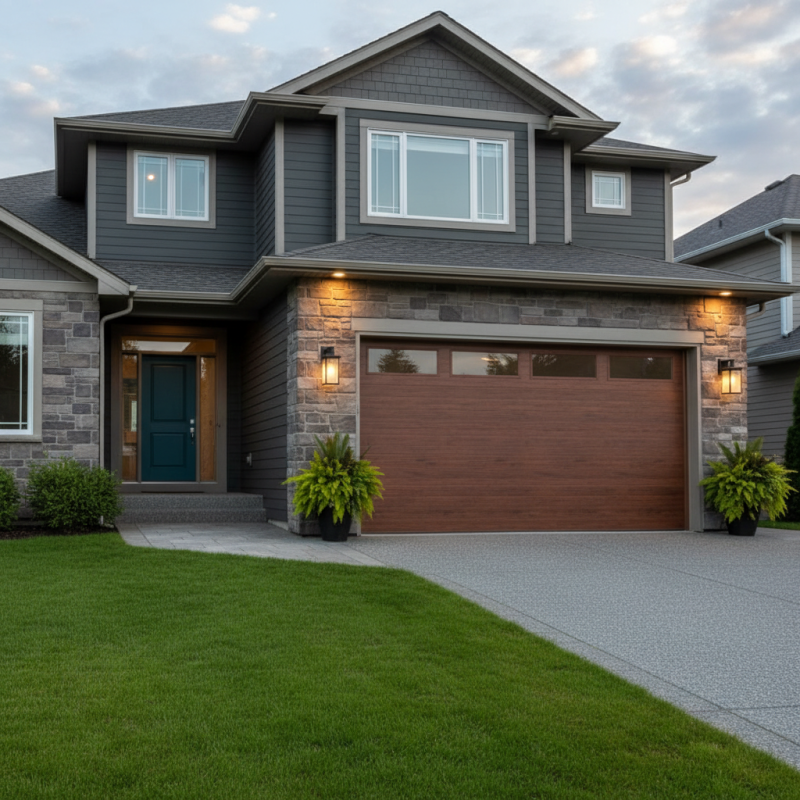
Understanding Garage Door Types and Their Features
Choosing the right garage door can significantly enhance your home’s aesthetics and security. Understanding the various types of garage doors is essential before making a decision. There are several options available, including sectional, roller, and tilt-up doors. Each type has distinct features and benefits that cater to different needs.
Sectional doors are popular for their space-saving design. They open vertically, allowing vehicles to park close to the door without obstruction. Roller doors, on the other hand, are ideal for tight spaces. They roll up neatly into a compact coil. Tilt-up doors provide a more traditional look. They swing out and up, which may require additional space in front of the garage.
When selecting a garage door, consider materials too. Steel doors are durable and often require minimal maintenance. Wood doors offer a classic appearance but may need regular upkeep. Reflect on your climate, as it impacts the longevity of materials. Each choice reflects personal style and practical need. Take time to weigh your options carefully. Evaluate the balance between aesthetics and functionality. The right door can elevate your home’s curb appeal significantly.
Evaluating Material Options for Durability and Aesthetics
Choosing the right material for your garage door can greatly impact its durability and aesthetics. Steel, for instance, offers excellent strength and resistance to weather conditions. However, it may dent easily and can lack visual appeal without proper finish. On the other hand, wooden doors provide a classic, elegant look that enhances home value. Yet, they require regular maintenance to prevent warping and decay.
Fiberglass and vinyl are also popular choices. Fiberglass can mimic wood and resist fading, making it a versatile option. Its lightweight construction is beneficial, but it may be less durable in extreme conditions. Vinyl is low-maintenance and resistant to dents. However, it can become brittle over time, especially in colder climates.
Reflect on your local environment before making a decision. Factors like climate, exposure to sunlight, and even neighborhood aesthetics play a vital role in selection. Durability is crucial, but it should not overpower the importance of visual appeal. Balancing these elements will lead to a smarter choice for your garage door.
Considering Insulation and Energy Efficiency in Garage Doors
When selecting a garage door, insulation and energy efficiency should be top of mind. A well-insulated door maintains temperature, reducing heating and cooling costs. This is especially important if you use your garage as a workspace or storage area. Materials like steel and fiberglass offer excellent insulation properties.
Tips for choosing the right door include checking R-values. The higher the R-value, the better the insulation. Look for doors with weather stripping to seal gaps. This small detail can prevent drafts. Don't forget about the door's orientation. South-facing doors may absorb more heat in summer.
Consider your local climate. In colder areas, investing in a door with better insulation pays off in energy savings. For homes in warmer regions, reflectivity of the door’s color can reduce heat absorption. Choose shades that align with your overall aesthetic while being practical. Remaining aware of energy efficiency not only contributes to comfort but also benefits the environment.
Assessing Security Features for Enhanced Safety
When choosing a garage door, security should be a top priority. The right door can significantly enhance the safety of your home. Look for materials that resist impact and are difficult to breach. Steel and fiberglass doors often provide excellent options. Many homeowners overlook the importance of locking mechanisms. A multi-point locking system can deter intruders and increase your peace of mind.
Consider the insulation properties as well. Insulated doors not only enhance energy efficiency but also make it harder for would-be thieves to enter. Visibility is another aspect; choose doors with minimal glass panes. While natural light is nice, larger windows can provide a view inside your garage. Install strong deadbolts and consider a smart garage door opener. These devices allow you to monitor access remotely, offering an added layer of security.
Remember that no door is entirely impervious. Regular maintenance is essential. Check for weatherstripping and ensure locks work effectively. You may find some areas needing more reinforcement than you anticipated. In this way, you can continuously adapt your home’s security features as needed.
Budgeting and Installation Considerations for Garage Doors
When considering a garage door, budgeting is crucial. Research shows that garage doors account for about 1% of a home's total value. Therefore, spending wisely is essential. The average garage door installation can range from $750 to $1,500, depending on materials and labor.
Material choice impacts long-term costs. Steel doors offer durability but can be pricier upfront. Wood doors provide aesthetics but require regular maintenance. In some studies, homeowners report spending 30% more on maintenance for wooden doors over time. Assess your ability to maintain the door you choose. Understanding these costs helps prevent future financial strain.
Installation also matters significantly. Professional installation is recommended for safety. DIY installation might save money, but improper installation can lead to issues. According to industry experts, over 20% of garage door failures are due to improper installation. Weigh the benefits against potential problems. It’s vital to research and choose a reliable installer. Putting thought into these aspects can save money, time, and frustration in the long run.
How to Choose the Best Garage Door for Your Home?
| Garage Door Type | Material | Price Range ($) | Insulation Rating (R-value) | Installation Time (hours) |
| Sectional | Steel | 800 - 3,000 | 3 - 16 | 2 - 4 |
| Roll-Up | Aluminum | 1,000 - 3,500 | 5 - 15 | 3 - 5 |
| Tilt-Up | Wood | 1,200 - 4,000 | 1 - 5 | 4 - 6 |
| Carriage House | Composite | 1,500 - 5,000 | 3 - 8 | 5 - 7 |