
What Is Cat Litter Sand and Which Type Is Best?

Cat Litter Sand is more than a loose material beneath a cat’s paws. It affects cleanliness, odor, tracking, comfort, and daily behavior. A good choice should also fit the cat’s age, health, and preferences.

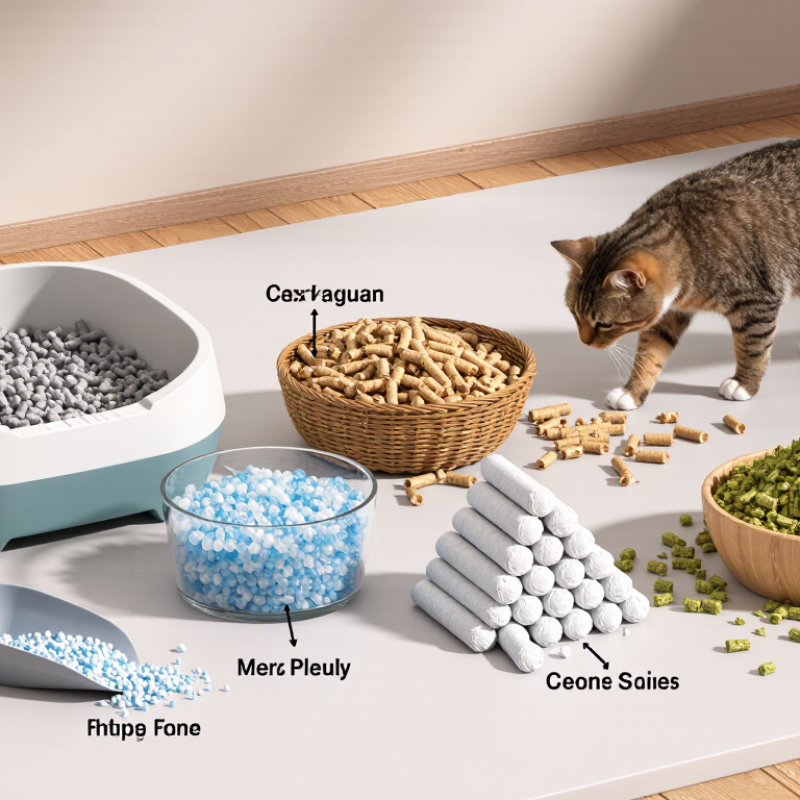
The main types include clay, silica gel, wood, paper, and plant-based litter. Clay often forms firm clumps and controls odor effectively. However, some formulas create fine dust around the tray. Silica gel absorbs moisture and can stay fresh longer, but its texture may feel sharp to sensitive paws. Wood and paper options usually feel softer and produce less mineral dust. Plant-based litter can be lightweight and renewable, yet its clumps may break more easily. Performance varies by brand.

Dr. Elsey, a veterinarian and founder of Precious Cat, has often expressed a practical principle: “The best litter is the one your cat will use.” That advice remains highly relevant. Even the most advanced Cat Litter Sand fails if a cat avoids the box. Watch closely. Does your cat scratch comfortably? Does litter stick between the toes? Does urine form a clean, removable clump? These small details reveal more than packaging claims.

An unscented, low-dust product is often a sensible starting point. Still, no choice is perfect. Some owners focus heavily on odor control and overlook tracking across a hallway. Others choose biodegradable materials without testing texture acceptance. Experience matters, but observation matters more. This guide compares each type of Cat Litter Sand through practical use, material behavior, hygiene, and expert-informed considerations.

What Is Cat Litter Sand and Which Type Is Best?

What Cat Litter Sand Is and How It Works

Cat litter sand is a loose material placed in a tray to absorb urine, control odor, and support natural digging.

It is not usually beach sand. Common types include clay, silica crystals, recycled paper, wood, and plant fibers. Clumping clay forms firm balls when liquid touches it, making removal easier. Non-clumping clay absorbs moisture but usually needs more frequent replacement. Silica crystals trap liquid inside tiny pores, while plant-based litter relies on absorbent fibers or pellets.

The American Pet Products Association’s 2023–2024 National Pet Owners Survey reported 46.5 million U.S. households owned cats.

That scale makes litter choice a daily welfare issue, not a minor shopping decision. Veterinary guidance generally favors unscented, low-dust litter because strong perfumes may discourage some cats. In practice, texture matters too. A cat may reject rough pellets but accept soft, sand-like granules. No type is perfect. Clumping litter can track across floors, and crystal litter may feel unfamiliar under sensitive paws.

Tips:

Place the tray in a quiet, accessible area. Remove waste daily, and wash the tray with mild soap. Change gradually when switching textures. Watch for coughing, sneezing, or sudden avoidance. These signs can reflect dust, fragrance, stress, or a medical problem.

The 2024 AAFP/ISFM Cat Friendly Veterinary Environment Guidelines also support clean, private litter areas. One detail owners often miss: a deep, dirty tray can punish the cat for using it, even when the litter itself is suitable.

The Main Materials Used in Cat Litter Sand

What Is Cat Litter Sand and Which Type Is Best?

Cat litter sand usually means absorbent granules, not ordinary beach sand. The main material is bentonite clay, which forms firm clumps around urine. It offers strong odor control and simple daily scooping. However, dust can irritate sensitive cats and household members. Grand View Research’s 2024 market analysis identifies clay as the leading material segment worldwide.

Silica gel uses porous crystals to trap moisture and reduce odors. It usually lasts longer, but some cats dislike its hard texture.

Plant-based litter uses corn, wheat, pine, or tofu fibers. These materials feel lighter and may produce less dust. Fortune Business Insights’ 2024 report valued the global cat litter market at about 11.24 billion dollars, with growth linked partly to premium and sustainable products.

Paper and wood pellets absorb moisture without forming traditional clumps. They can suit kittens, older cats, or homes needing softer dust control. My practical test is simple: watch paw comfort, tracking, smell, and box avoidance for seven days. No material wins every home. A report cannot measure one cat’s preference. Change litter gradually, and keep the box dry, spacious, and unscented. The best choice depends on texture, dust, odor control, disposal needs, and your cat’s behavior.

How Different Cat Litter Types Compare

What Is Cat Litter Sand and Which Type Is Best?

Cat litter sand usually means a granular toilet substrate, not ordinary beach sand. Its texture, dust level, moisture control, and odor performance vary widely. Clumping clay forms tight balls around urine, making daily scooping practical. However, it can track across floors and create airborne dust. Silica gel absorbs liquid efficiently and often lasts longer, but some cats dislike its hard, crystal-like feel. Paper pellets are softer and low-dust, yet they usually offer weaker odor control. Wood, corn, and tofu-based litters can feel natural, though their performance changes with humidity.

According to the American Pet Products Association’s 2023–2024 survey, 46.5 million U.S. households owned cats. That large user base helps explain the market’s rapid product diversification. Grand View Research projects the global cat litter market will grow at roughly 5.8% annually through 2030. More choices do not mean an easy choice. They create more trade-offs.

Cornell Feline Health Center guidance generally favors unscented, fine-textured litter because many cats reject strong fragrances. In practice, low-dust clumping clay often suits multi-cat homes, while paper may suit cats with respiratory sensitivity. Silica can work well for owners who travel frequently. Watch the cat, not just the packaging. A sudden refusal, litter avoidance, or new respiratory irritation deserves veterinary attention. I would not call any type universally best. Even a highly absorbent litter can fail if the box is too small, dirty, or placed beside a washing machine.

What Is Cat Litter Sand and Which Type Is Best?

Cat litter is made from several materials, including clay, silica gel, recycled paper, wood, and plant-based fibers. The chart compares their typical performance across common household criteria. Scores range from 1 (low) to 5 (high); these are generalized category-level ratings because products within the same material can vary.

How to read the chart: Clumping clay usually provides strong clumping and odor control but may produce more dust. Silica gel is highly absorbent and controls odor well, while paper and wood are generally lower-dust options. Plant-based litters can offer clumping and biodegradability, but performance depends on the specific fiber used.

Choosing the Best Litter for Your Cat and Home

Cat litter sand is the loose material placed in a litter box to absorb urine and control odors. The best choice depends on your cat’s habits, health, and your home’s layout. Clumping clay forms firm scoops and makes daily cleaning simple. Silica crystals are light and absorbent, but some cats dislike their texture. Paper, wood, and plant-based litters can feel softer and create less dust, though odor control may vary.

Start with an unscented, low-dust option. Strong fragrance may seem pleasant to people, but it can overwhelm a cat’s sensitive nose. A kitten, senior cat, or cat with breathing problems may need softer particles and easier box access. Use a large, uncovered box in a quiet place. Keep it away from food and noisy appliances. One box per cat, plus one extra, often reduces accidents. Still, household space can make this difficult.

Tips: Change litter gradually over seven to ten days. Mix a small amount of the new type with the familiar litter. Watch for paw shaking, scratching outside the box, or sudden avoidance. These details matter. Scoop daily and wash the box regularly with mild, unscented soap. Do not rely on odor alone; a box can look clean while holding damp litter underneath. If your cat suddenly stops using the box, consult a veterinarian, because pain or illness may be involved. An affordable litter is not always the best value if your cat rejects it. A quiet, comfortable routine usually matters more than a perfect product.

Safe, Clean, and Environmentally Responsible Litter Use

What Is Cat Litter Sand and Which Type Is Best?

Cat litter sand is a loose material placed in a litter box to absorb urine, control odors, and support natural digging. Common options include clay, silica crystals, recycled paper, wood, and other plant-based materials. Each type behaves differently.

Clay usually forms firm clumps, while paper often creates less dust but may need more frequent replacement. Silica can absorb moisture well, although some cats dislike its texture.

Safe use begins with low dust and unscented materials. Strong fragrance may bother a cat’s nose, especially in a small room. Watch for coughing, sneezing, sore paws, or sudden box avoidance. A veterinarian should assess persistent symptoms.

Keep the box away from food, provide good airflow, and remove waste daily. Wash the box regularly with mild soap and water. Avoid harsh chemical cleaners.

Environmental responsibility requires honest trade-offs. No litter is perfectly green. Some plant-based products use renewable materials, but transport and processing still create impacts. Clay may last longer between full changes, yet mining affects land and energy use.

Choose a litter your cat accepts, because rejected litter can lead to stress and poor hygiene. Change types gradually by mixing small amounts over several days.

I once treated odor control as the main test, but cleanliness and acceptance mattered more.

Even a sustainable option fails when the box stays wet, crowded, or neglected.

Dispose of used litter according to local waste guidance, and never flush it unless local authorities clearly permit that method.

Request More Information