Best Floor Waterfall Fountain Ideas for Your Home Garden?
Creating a tranquil garden atmosphere is an art. One way to achieve this is through the addition of a Floor Waterfall Fountain. Renowned landscape designer, Emily Carter, emphasizes, "A Waterfall Fountain not only beautifies a space but also creates soothing sounds that enhance relaxation."
Imagine walking into your garden and hearing the gentle flow of water. A Floor Waterfall Fountain invites peace, turning your outdoor space into a serene retreat. These fountains come in various styles, allowing you to match your personal taste.
However, choosing the right fountain isn't always easy. Consider your garden size and aesthetic. It’s common to underestimate the space a Floor Waterfall Fountain occupies. Proper placement is crucial—too close to other features may clutter your garden visually. Reflecting on these details can make a significant difference. Investing time in selecting the perfect fountain will pay off when you enjoy your peaceful oasis.
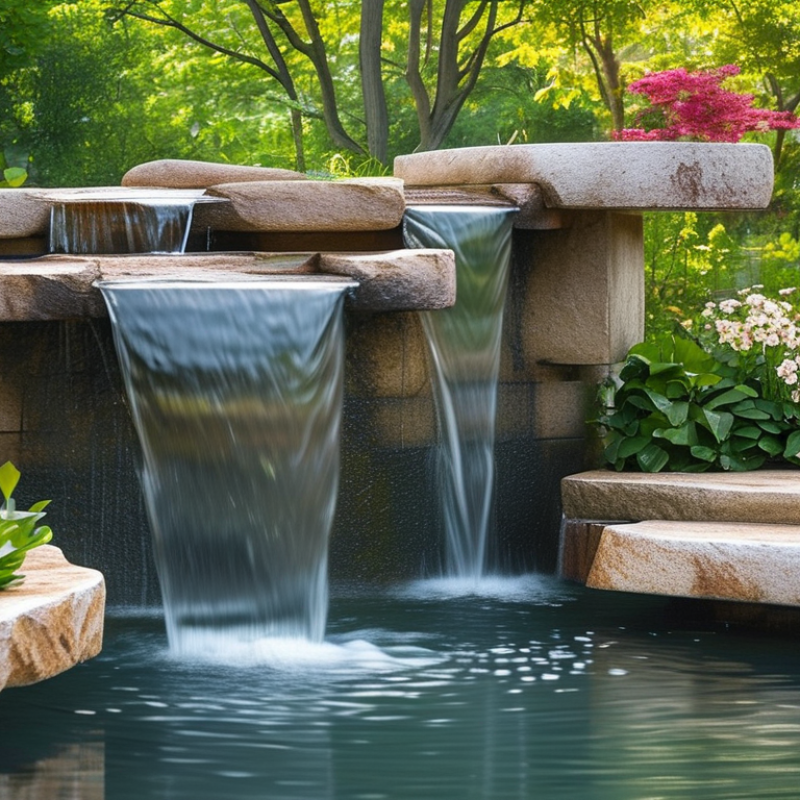
Selecting the Right Location for Your Floor Waterfall Fountain
Choosing the right location for your floor waterfall fountain is essential. Water features can transform your garden, but placement matters. Consider the space you have. Look for areas that allow the fountain to shine without overwhelming other elements. A secluded corner can create a serene retreat. Alternatively, placing it near a seating area can enhance relaxation.
Sunlight is another factor to consider. Fountains in direct sunlight may need more maintenance. Algae growth can be a challenge in warm spots. Think about the surrounding plants too. Tall shrubs or trees may block the view, while low plants can complement the fountain's aesthetics. You want to create a harmonious scene.
Finally, think about sound. The soothing sound of falling water can be calming. However, too much noise can be distracting. Test how sound carries in your space. Walk around to find the best auditory experience. Each garden is unique. Take your time to find the perfect spot for your fountain. Enjoy the process of discovery.
Choosing the Perfect Style and Design for Your Garden Aesthetic
When selecting a floor waterfall fountain for your garden, consider your overall aesthetic. The design should complement the existing landscape and architecture. Natural materials like stone or wood can create a harmonious look. Consider how the fountain's style fits with your garden's theme. Traditional gardens may benefit from classic designs, while contemporary spaces call for sleek, modern fountains.
Pay attention to the size and scale of the fountain. A large waterfall may dominate a smaller garden, while a petite option can get lost in expansive spaces. The sound of flowing water also plays a crucial role. A gentle trickle may enhance a serene environment, while a more robust cascade can add energy and movement. Reflect on how these elements interact within your space. Embrace imperfections, as a fountain that incorporates natural flaws or irregularities can feel more authentic and fitting to the environment.
Materials and Construction Options for Durable Waterfall Fountains
When considering waterfall fountains for your garden, material choice is vital. Many homeowners prefer natural stone due to its aesthetic appeal and longevity. A report by the American Society of Landscape Architects indicates that 72% of landscape projects incorporate stone elements, highlighting their popularity. Concrete is another durable option, offering versatility in design. It can be molded into various shapes and textures, making it adaptable to any garden style.
Construction techniques also play a crucial role. A well-constructed fountain prevents leaks and ensures a longer lifespan. Research shows that improperly installed fountains can lead to increased maintenance costs. For instance, fountains made from cheaper materials often require more frequent repairs. Using quality hardware and waterproof sealants can enhance durability.
Environmental factors should not be overlooked. Fountains in sunny areas need UV-resistant finishes to prevent fading. Additionally, local climate conditions can affect material selection. In areas with heavy rainfall, certain materials may face erosion risks. An expert once noted that even the best designs can falter if not tailored to specific environmental challenges. Therefore, assessing both materials and construction is essential for a successful fountain installation.
Best Floor Waterfall Fountain Ideas for Your Home Garden
Incorporating Lighting to Enhance Your Waterfall Fountain Project
Adding lighting to your waterfall fountain can transform your garden into a magical oasis. The gentle glow of lights enhances the soothing sounds of flowing water. Consider using LED lights around the base of the fountain. This can create a beautiful highlight on the water surface at night.
Submersible lights are also an excellent choice. Placing them underwater adds a mesmerizing effect. The colors change the mood of your garden. You can opt for warm white or colored lights to match your aesthetic. However, be careful with placement. Too many lights can overwhelm the serene vibe.
Reflect on how each light interacts with water flow. A well-placed light can create stunning reflections. But, if not placed correctly, it may lead to harsh shadows. Experiment with different angles and distances. Each adjustment helps find the perfect balance for your outdoor space.
Maintaining and Troubleshooting Your Floor Waterfall Fountain
Maintaining a floor waterfall fountain is crucial for its longevity. Regular maintenance ensures your fountain works efficiently. A clean water source prevents clogged pumps. According to industry reports, 30% of fountain issues stem from dirty water. Water quality impacts not only pump life but also aesthetics.
Troubleshooting common issues is vital for every fountain owner. If your fountain is making strange noises, check for air in the pump. Air bubbles can significantly affect performance. Additionally, if water flow decreases, inspect for blockages. A study indicates that nearly 25% of fountain failures are due to easily fixable clogs. Regular checks can save homeowners time and money.
Most fountains require occasional component replacements. Keep an eye on the pump and filter. Wear and tear can lead to unexpected problems. The average lifespan of a pump is about 2-3 years. Regular monitoring aids in timely replacements, minimizing disruptions. Addressing these aspects helps maintain a serene garden atmosphere.