
10 Best Meeting Tables for Offices in 2026
Choosing the right meeting table in 2026 requires more than matching a room’s color palette. Offices now support focused work, video calls, workshops, and spontaneous collaboration. The table must respond to all four.
Microsoft’s 2023 Work Trend Index reported that 73% of employees wanted flexible remote-work options. That finding reshaped the office. Meeting rooms now need reliable technology, adaptable layouts, and comfortable surfaces for both in-person and hybrid teams. A table that looks impressive but blocks camera views can quickly become a daily frustration.
People notice small details. Cable access matters. So does knee clearance. A tabletop that is too glossy may reflect ceiling lights into a video lens. Sharp corners can feel uncomfortable during a two-hour planning session. Casters, folding leaves, and modular shapes may also help teams change the room without calling facilities staff.
Gallup’s State of the Global Workplace 2024 report found that only 23% of employees were engaged worldwide. Furniture cannot solve engagement alone. Still, an uncomfortable room can weaken attention, participation, and trust. The physical setting sends a message about how seriously collaboration is treated.
This guide reviews 10 best meeting table options for modern offices. It considers size, materials, technology integration, accessibility, durability, and maintenance. It also weighs practical value, not just showroom appeal. A perfect ranking is impossible. Team culture, room dimensions, and budget will change the answer. That is worth remembering.
The strongest choices create useful space without dominating it. They support eye contact, clear sightlines, and easy movement. They also survive coffee spills, daily adjustments, and occasional design mistakes. Those unglamorous details often decide whether a meeting table remains valuable after the photographs are forgotten.
Understanding Meeting Tables and Their Role in Modern Offices
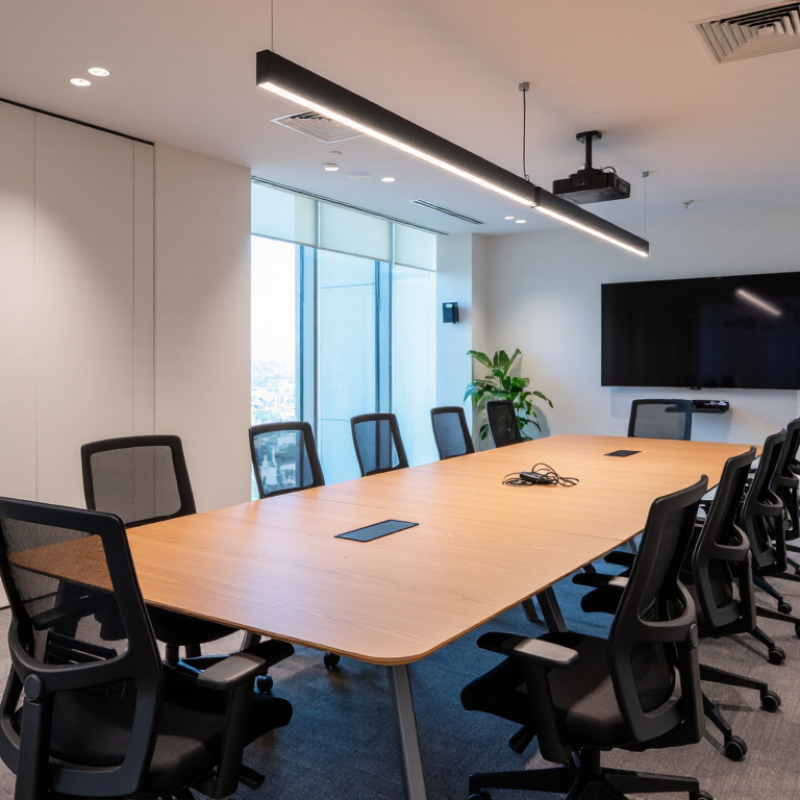
A meeting table is more than a surface for laptops and coffee. It shapes how people speak, listen, and share authority. In modern offices, the right table supports focused collaboration without making the room feel crowded. Space changes behavior. A narrow rectangular table can guide attention, while a round table may encourage more balanced discussion.
Good planning starts with real workplace needs. Measure the room, walking paths, chair clearance, and screen position before choosing a table. Leave enough space for people to pull back their chairs safely. A useful arrangement also keeps power outlets within reach, reducing loose cables across the floor. Small details matter. Rounded edges, durable finishes, and stable legs improve daily comfort and reduce maintenance concerns.
The table should suit different meeting styles. A large project team may need generous writing space, while a small hybrid meeting needs clear camera sightlines. Cable management should remain accessible, not hidden behind difficult panels. Materials also affect sound; hard surfaces can increase echo in rooms with little acoustic treatment. This is often overlooked. I would not assume the largest table is the most professional choice. An oversized design can separate participants and waste valuable floor area. The better decision comes from observing how employees actually meet, then adjusting the layout when the room proves inconvenient.
10 Best Meeting Tables for Offices in 2026 - Understanding Meeting Tables and Their Role in Modern Offices
| Table Type | Typical Shape | Suggested Seating | Approximate Table Size | Best Suited For | Practical Consideration |
|---|---|---|---|---|---|
| Compact Round Table | Round | 2–4 people | 36–48 in. diameter | Small offices, quick discussions, and informal check-ins | No head-of-table position; allow room to pull chairs back. |
| Small Rectangular Table | Rectangular | 4–6 people | 60–72 × 30–36 in. | Small meeting rooms and project teams | A straightforward layout that can also support laptops and documents. |
| Boat-Shaped Conference Table | Boat-shaped | 6–10 people | About 96–120 × 42–48 in. | Formal team meetings and presentation rooms | The tapered ends can improve sightlines across the table. |
| Oval Meeting Table | Oval | 6–10 people | About 96–120 × 42–48 in. | Collaborative meetings where softer corners are preferred | Check the usable seating space at the curved ends. |
| Large Boardroom Table | Rectangular or boat-shaped | 10–16 people | About 144–192 × 48–60 in. | Boardrooms and larger decision-making meetings | Plan for clear walkways and suitable display-screen sightlines. |
| Modular Meeting Table | Rectangular sections or linked units | 4–12 people, depending on setup | Variable; often assembled from 24–48 in. modules | Rooms that need to change between group sizes and layouts | Confirm that sections connect securely and can be rearranged easily. |
| Flip-Top Training Table | Rectangular | 2–4 people per table | About 48–72 × 24–30 in. | Training rooms, workshops, and multipurpose spaces | Locking casters and a folding top can simplify storage and reconfiguration. |
| Height-Adjustable Meeting Table | Rectangular | 2–6 people, depending on size | About 60–72 × 30–36 in. | Short standing meetings and flexible workspaces | Check the adjustment range, stability, and cable routing options. |
| Collaborative Square Table | Square | 4 people | About 48–60 in. per side | Small group work, shared planning, and project discussions | Its footprint is easy to plan, but it may require more floor width than a narrow rectangular table. |
| Technology-Ready Conference Table | Rectangular or boat-shaped | 6–12 people | About 96–144 × 42–48 in. | Hybrid meetings and rooms with frequent video calls | Specify power access, cable management, and camera sightlines before installation. |
Dimensions and seating capacities are approximate planning guidelines. Actual capacity depends on chair width, legroom, table-base design, and the space required for circulation.
Related Posts
-
Maximizing Workspace Efficiency with Versatile Meeting Tables for Dynamic Collaboration
-
What Are the Top Conference Table Manufacturers in China?
-
Unlocking Global Trade with Best Conference Room Tables Through Industry Certification Standards
-

5 Reasons Why Meeting Tables Boost Productivity in Today’s Workspaces
-
How to Choose the Perfect Meeting Table for Your Business Needs
-
How to Choose the Perfect Meeting Table for Your Office in 2025